
late summer update

Hey, Teal here, from the EGG Observatory. If you’re reading this, wow. Thank you for your time. It just occurred to me that I haven’t updated since we closed the show, Visitors Center, back in June. What a hot, burning, horrific summer it has been, with the continued Israeli occupation and slaughter of Palestinian people happening daily, with no end in sight.
A direct support effort here: https://www.liberationthrumutualaid.com/
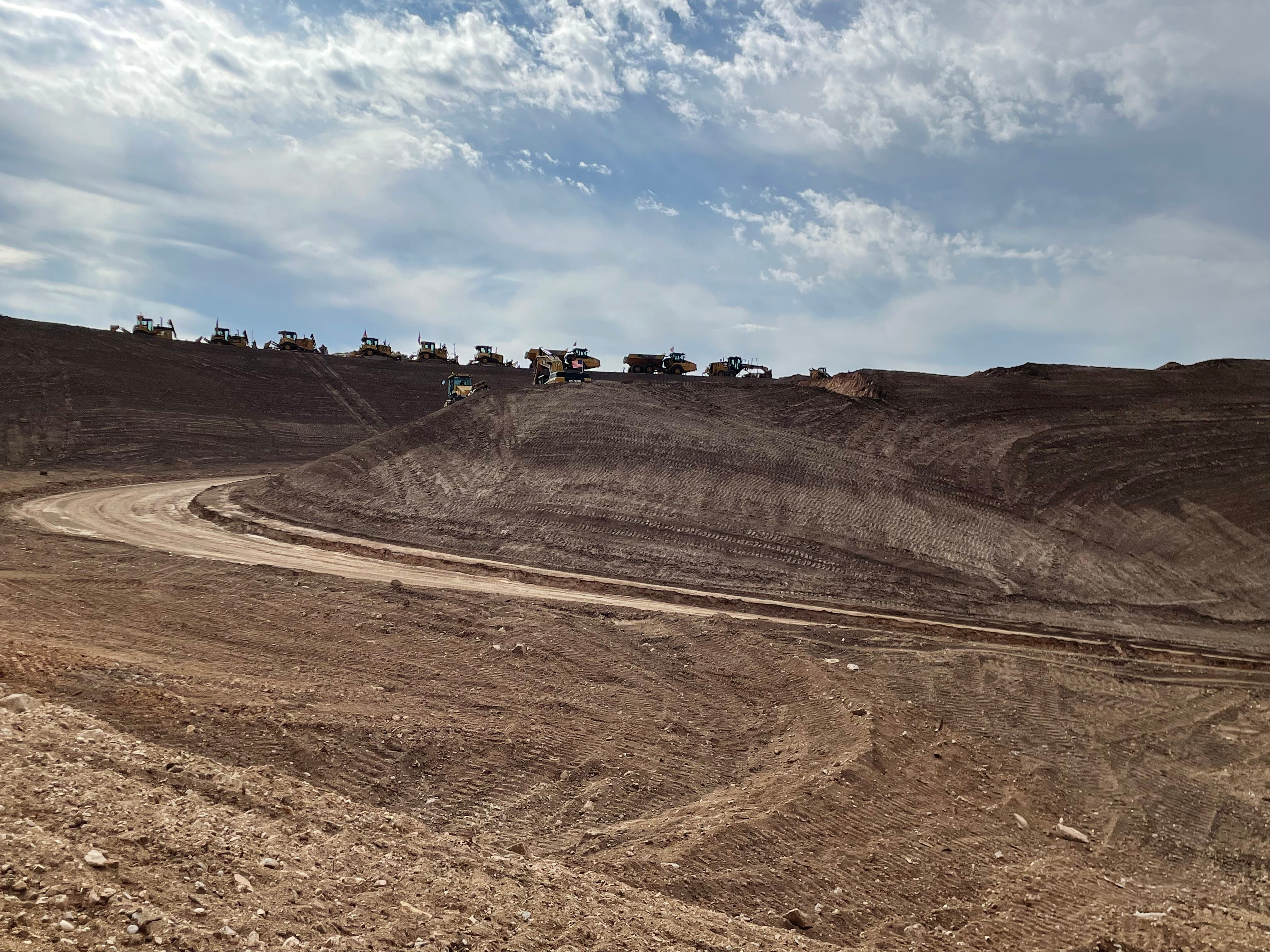
The Ecogeoglyphic Observatory is an interdisciplinary collective of artists, scientists, farmers, historians, writers, meditators, parents, neighbors and more that formed within the ongoing settler colonial project of Development of the West. In 2021, I was shattered by the sight of a hillside that I had wandered one day broken open by earth moving machines, and I kept track of the development of that site, “Tesoro,” throughout its two years of transformation. It is not hard for me to see the connection between the historic and current day land grabs by occupiers worldwide and the constant grind of development blasting away at the land all around us here. The traumas of the US Army’s land grabs of the Boise Valley from the tribes here are not healed. Sacred land is still being cut open and topped with mansions, while affordable housing in the valley is becoming more and more scarce.
In June, I attended a talk from the Idaho Indigenous Alliance and Boise to Palestine, where the connection between the #landback demand in the USA was expanded on in the global context of settler colonial violence and land theft. Indigenous people and allies worldwide are clear: white supremacy, colonialism, and capitalism all march hand in bloody hand to clear the way for the furthering of wealth and security for their operators.
As in Gaza, so on these lands, and vice versa: Ecocide is another result of the settler colonial project. Although it was nothing new, I was so shocked and angered by the violence of the removal of soil on one hillside, its total stripping away of all plants and animal habitat, that I started this project. A focus on “Tesoro” quickly expanded to include thinking about the effects of development on the land, water, plants, animals, rocks, soil and people of this entire region. Too big a scope? I wondered that, and accept that the expanding horizon of the project seems to indicate that an expanded perspective is necessary. I am finding that when I look at a newly dug pit in Boise, where a new hotel will be built, I see a hole made by a bomb in Gaza superimposed over it. I can only see the capitalist project at work in all of this destruction.
Next week a few members of us from the Ecogeoglyphic Observatory will be giving a presentation for the City of Boise’s “Going Public” lecture series. We are honored to be included in the lineup of artists who will be presenting throughout this series, and I know I am personally feeling lucky to be given space to speak about the project. I am also a excited about the theme for the night, “The Art of Sustainability: Inspiring Eco Consciousness in Art.” We will work with this theme, because it invites thinking about what is the relationship between sustainability, eco consciousness, and art.
My first reaction to the word, “sustainability” was kind of surprising - I realized that the buzzword has lost all meaning for me, and I had dismissed it as greenwashing. “Sustainability of what?” is a more productive invitation, I think. The use of the word “sustainable” as code for “measures that must be taken to continue to sustain life the way it is right now forever” is not the kind of sustainability that I can get behind. Remember, life right now includes all of the horrors of whatever stage of capitalism this is.
I am not interested in re-purposing the word, but pressing on it, and wondering what we really want to “sustain” in our lives and communities. Really, what is worth keeping around for tomorrow, next year, and the next generations? What is possible to imagine for ourselves and for the future?
There is a problem at the core of that question for many of us, and that is one of imagination. Many of us have never experienced anything outside of the culture and society that we grew up in, and might have a hard time finding a thread of inspiration that could lead into a new space for imagining interconnected, mutually thriving futures. If we cannot imagine a world beyond this present one, if we can’t conceive of a way of living outside of this, how are we meant to dream of a world that we would want to sustain? Just Seeds is a project that has been inviting imagination and articulating dreams through posterworks for a long time. https://justseeds.org/
Art is here as a tool for helping us to imagine ways of living that are beyond the confines of capitalism, patriarchy and white supremacy. I am especially interested in how socially engaged practices mix with activism when they are rooted in a commitment to the places and people that they effect. Ecologically-oriented art practices that build a bridge between the society of people and what we would call “nature” is a crucial part of the engagement. It has the effect of deepening the work and drawing in the many voices of the more-than-human world that we are also a part of. As terrestrials, we are locked into our relationship with earth, whether we are able to see that or not. To make emotional relations with the living systems around us, even amid the rapid destruction of development and destabilizing effects of climate chaos is necessary and known, down to our animal bones.
The video I saw this week of Israeli soldiers ripping up irrigation from the fields of Palestinian farmers, and earlier articles and posts about the poisoning the groundwater in Gaza with salt is clear: the destruction of land’s ability to support life is a tactic of war, used by oppressors to make it impossible for those who are on the land to remain there and survive, even after bombs have stopped falling. I am reminded of the near-extermination of the North American Bison by the US Government for the purpose of starving Native people as paths were cleared for European settlers to make their forays into the West. I am also reminded of Idaho’s" “initial point” where land surveyors started mapping of the territory into parcels for purchase by distant investors, and was the violent abstraction that placed capital as an overlay over every inch of the land we wander. This is true for the whole of the United States.
And yet, the land is wild, queer, old, sensuous, resilient, and feral. The land IS Turtle Island, and Indigenous, land-based worldviews persist. For the rest of us living here who don’t have cultural support to learn how to be with the earth as a relative, how do we come to have a relationship with terre that is worth passing down to the next generations? How do we build those relations now, from all these ruins? These are questions that can be worked on through the framework of “art” - which maybe just becomes my default shorthand for fabulous, critical, alternative approaches to living and engaging with the world we live in. I am grateful for the lack of definition that I am able to place around “art” and the freedom that thinking of art as a toolkit has provided for me in making this project. The openness of this project has allowed me to bring in as collaborators people who might not consider themselves artists first and foremost, but who are learning to turn their lenses and skills toward the project of bringing us “down to earth” here in the Boise Valley. I am endlessly grateful for that.
There are many things that could be said yet, but I’m getting tired, and want to go for a walk before it gets too hot, so I am going to end this post here, though my mind is buzzing and I will keep on thinking. Thank you so much for reading, and hopefully see you next week at the presentation. It is on Thursday the 29th at the Erma Hayman House in Boise, from 6-8:30 PM.